
In late 2025 and early 2026, millions of New Yorkers started receiving $150–$400 “inflation refund” checks issued by way of New York State as part of new economic relief measures aimed toward offsetting rising living costs. This program isn’t always a federal stimulus; alternatively, it’s far a state-level refund tied to the New York 2025-2026 budget and is meant to go back surplus tax sales to neighborhood taxpayers tormented by inflation.
What Are Inflation Refund Checks?
New York’s inflation refund checks are one-time payments despatched to eligible residents to assist households control the excessive cost of living, particularly after years of payment will increase for normal goods and offerings. The state finances handed with the aid of Governor Kathy Hochul and the Legislature set aside budget to trouble refund checks to qualifying taxpayers based totally on income and submitting reputation.
These payments are computerized — eligible taxpayers do now not want to apply or document unique forms to receive them. The Department of Taxation and Finance makes use of facts from the taxpayer’s 2023 state income tax return (Form IT-201) to decide eligibility and mailing addresses.
Who Qualifies for the $400 Inflation Refund?
To be eligible for a refund check, you must meet all of the following criteria:
- Filed a New York State resident income tax return (IT-201) for the 2023 tax year.
- Lived in New York as a full-year resident in 2023.
- Not been claimed as a dependent on another taxpayer’s return.
- Income falls within the designated thresholds based on filing status.
There are no age restrictions to receive the refund.

Refund Amounts by Income and Filing Status
The refund amount varies based totally on your income level and filing fame for 2023:
| Filing Status | Income Threshold | Refund Amount |
|---|---|---|
| Married filing jointly | Up to $150,000 | $400 |
| Married filing jointly | $150,001–$300,000 | $300 |
| Single filers / Head of household | Up to $75,000 | $200 |
| Single filers / Head of household | $75,001–$150,000 | $150 |
| Married filing separately | Same as single thresholds | $200 / $150 |
| Qualified surviving spouse | Same as joint thresholds | $400 / $300 |
These amounts purpose to offer larger refunds to lower-income families most tormented by inflation, even as still presenting partial relief to mid-income filers.
Payment Status and When Checks Arrived
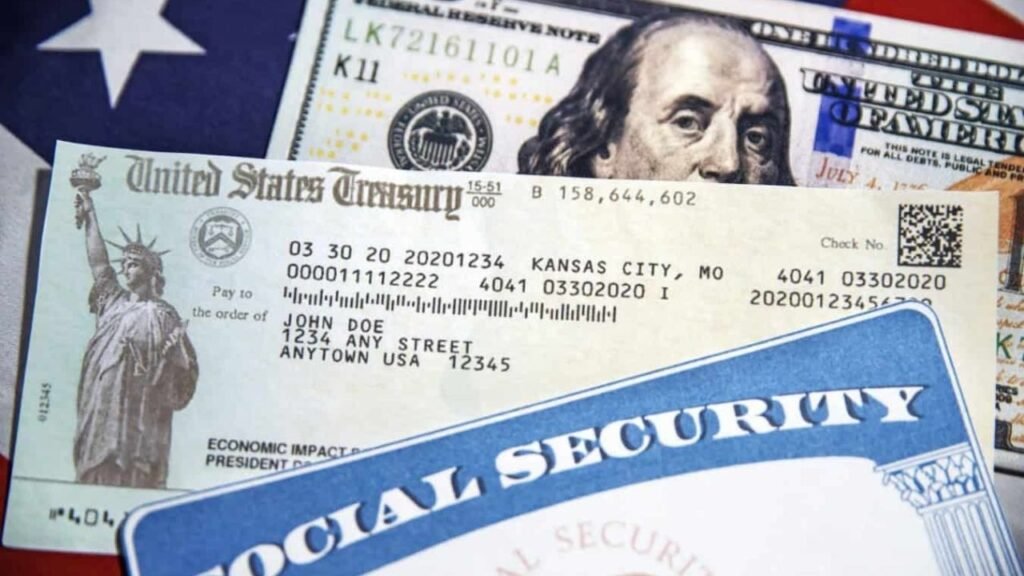
The state commenced mailing checks to eligible citizens in late September 2025, with the bulk of payments sent through October and November 2025. Many checks continued arriving in overdue 2025, and a smaller range of refund payments may still reach taxpayers into early 2026 — in particular for people whose tax returns have been processed later or had corrections.

Most payments are paper checks mailed through USPS to the deal with listed on the filer’s 2023 go back. There is no direct deposit alternative for these refunds because they have been issued outdoor of the regular digital tax refund procedure.
Because checks have been mailed over several weeks and now not through location, a few residents mentioned receiving their refunds weeks earlier than or after pals, and there may be no online tracking tool for precise delivery dates.
Important Points to Know
- No action is required: You don’t need to apply or contact the state if you’re eligible. The refund will be mailed automatically.
- Keep your address updated: If you moved after filing your 2023 return, updating your address with the New York tax authorities can help prevent checks from being sent to an old address.
- Not a federal program: These checks are specific to New York State’s inflation refund initiative and do not apply nationally.
- Scams caution: Tax authorities warn that the state will now not name or email inquiring for personal details to “release” your refund, so be cautious of suspicious contacts.
Conclusion
The $400 inflation refund checks represent a one-time financial relief attempt by using New York State to return a part of the excess sales tax sales amassed at some stage in periods of high inflation back to residents who filed their 2023 tax returns and meet income standards. Payments — starting from $150 to $400 depending on income and submitting reputation — started arriving in late 2025 and can keep into early 2026 for late or corrected returns. While now not a national stimulus program, this state-level initiative has provided sensible, direct relief to millions of families handling the continued outcomes of rising living costs.
