

As January 2026 unfolds, many taxpayers are carefully monitoring IRS direct deposit status updates, in particular around broadly discussed $2,000 payments. Social media headlines often endorse fixed payment dates, but the truth is greater nuanced. Whether and whilst an person gets a $2,000 deposit largely relies upon on one critical detail: how and while their tax or benefit facts is processed through the Internal Revenue Service.
Understanding this detail can assist taxpayers keep away from confusion, control expectations, and spot misinformation.
What Is the $2,000 Payment Everyone Is Talking About?
The $2,000 quantity referenced in January 2026 discussions is not a brand-new, common stimulus check. Instead, it commonly pertains to:
- Refundable tax credits claimed on 2025 tax returns
- Recovery or adjustment payments tied to prior-year filings
- Targeted relief or benefit corrections processed through the IRS
For some eligible taxpayers, these credits or adjustments may total around $2,000, but the amount and timing vary widely.
The One Detail That Determines Timing
The most vital aspect affecting whilst a $2,000 IRS direct deposit arrives is how your tax go back or benefit statistics was filed and tested.
Specifically, timing depends on:
- E-filed vs. paper-filed returns
- Direct deposit vs. paper check selection
- Accuracy and completeness of the return
- Whether the return requires manual review
Taxpayers who report electronically and pick out direct deposit nearly continually receive payments quicker than people who file paper returns or rely upon mailed exams.
Why Some Payments Arrive Faster Than Others
Once the IRS accepts a go back, most direct deposits are issued within 21 days, but delays are not unusual if:
- Income or credit amounts need verification
- Identity confirmation is required
- Bank account information is incorrect
- Credits claimed trigger additional review
Even a small error—consisting of a mismatched call or incorrect routing number—can push a price from early January into past due January or past.
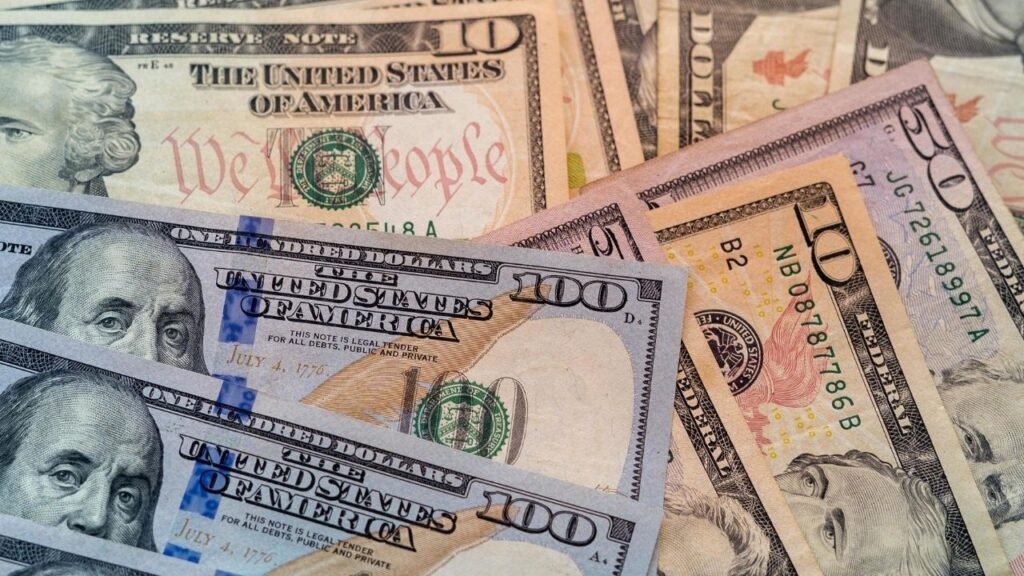
January 2026 Direct Deposit Timeline
While there is no single universal date, the general January timeline looks like this:
- Early January: Returns filed immediately when the season opens may begin processing
- Mid-January: Many direct deposits related to refundable credits are issued
- Late January: Payments requiring additional checks or corrections are finalized
- February or later: Paper checks and manually reviewed cases are completed
Taxpayers can track progress using official IRS status tools rather than relying on online rumors.

How to Check Your IRS Direct Deposit Status
To stay informed:
- Use IRS-approved online tracking tools
- Keep a copy of your filed return
- Monitor your bank account rather than third-party websites
- Avoid unofficial apps or links promising faster updates
The IRS does not contact taxpayers through unsolicited texts or social media messages.
Common Misconceptions About the $2,000 Payment
One of the biggest misconceptions is that everyone will receive exactly $2,000 on the same date. In reality:
- Not all taxpayers qualify
- Amounts differ based on credits and income
- Timing is individualized, not universal
Understanding these facts helps reduce frustration and unrealistic expectations.
Conclusion
The January 2026 IRS direct deposit updates make one element clean: $2,000 payment timing relies upon closely on how and when your information is filed and processed. Electronic filing, accurate info, and direct deposit selection remain the fastest course to receiving budget. While headlines might also advise assured dates or amounts, the IRS operates on individualized timelines. Staying knowledgeable through reliable channels and ensuring your tax information is accurate is the great way to keep away from delays and receive any eligible payments as smoothly as viable.
